
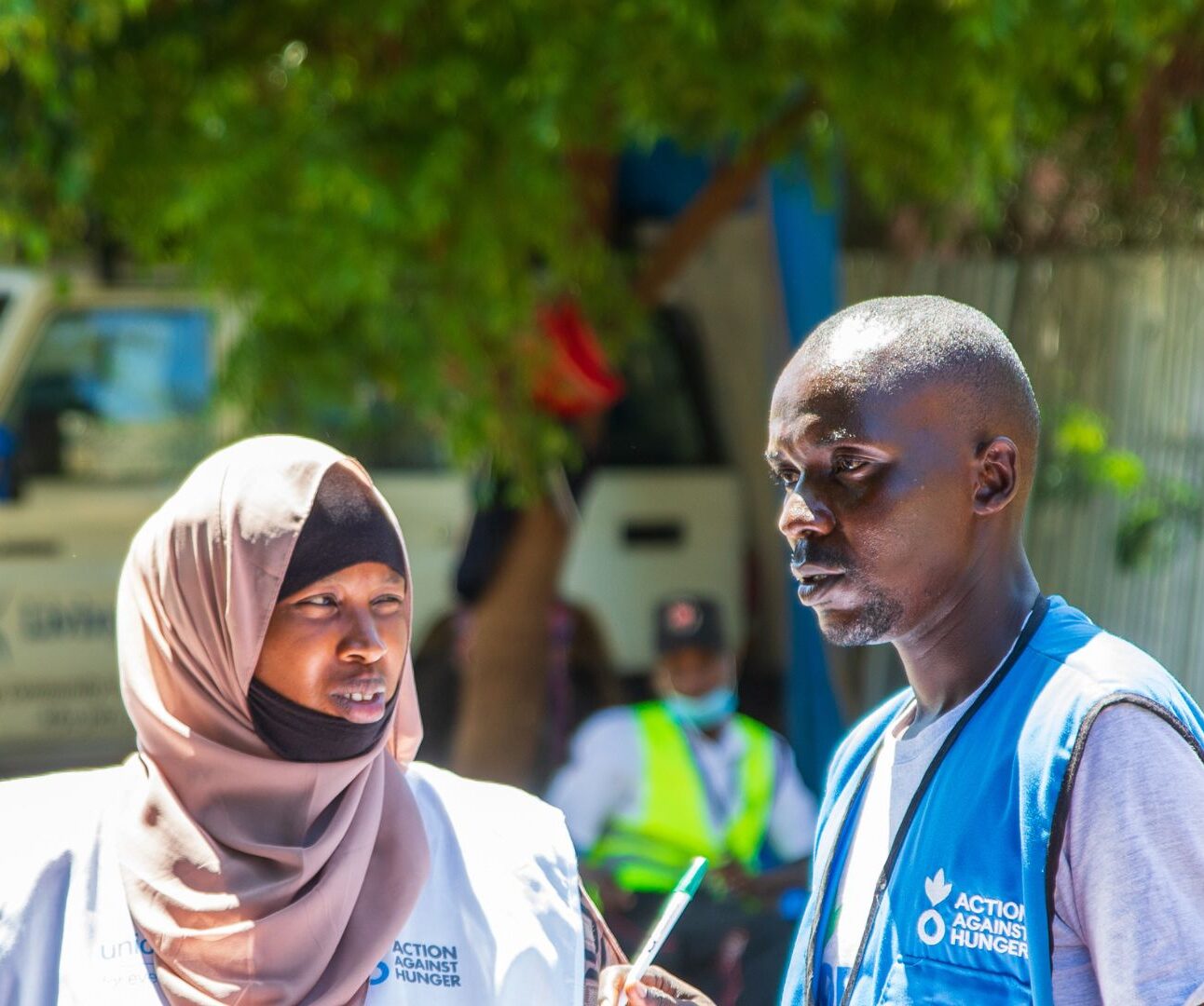
Nutrition causal analyses
Nutrition causal analyses, such as Link NCA and Rapid NDA, provide insight about the causes of malnutrition. Find out more about these methodologies and how they can be adapted for your context.
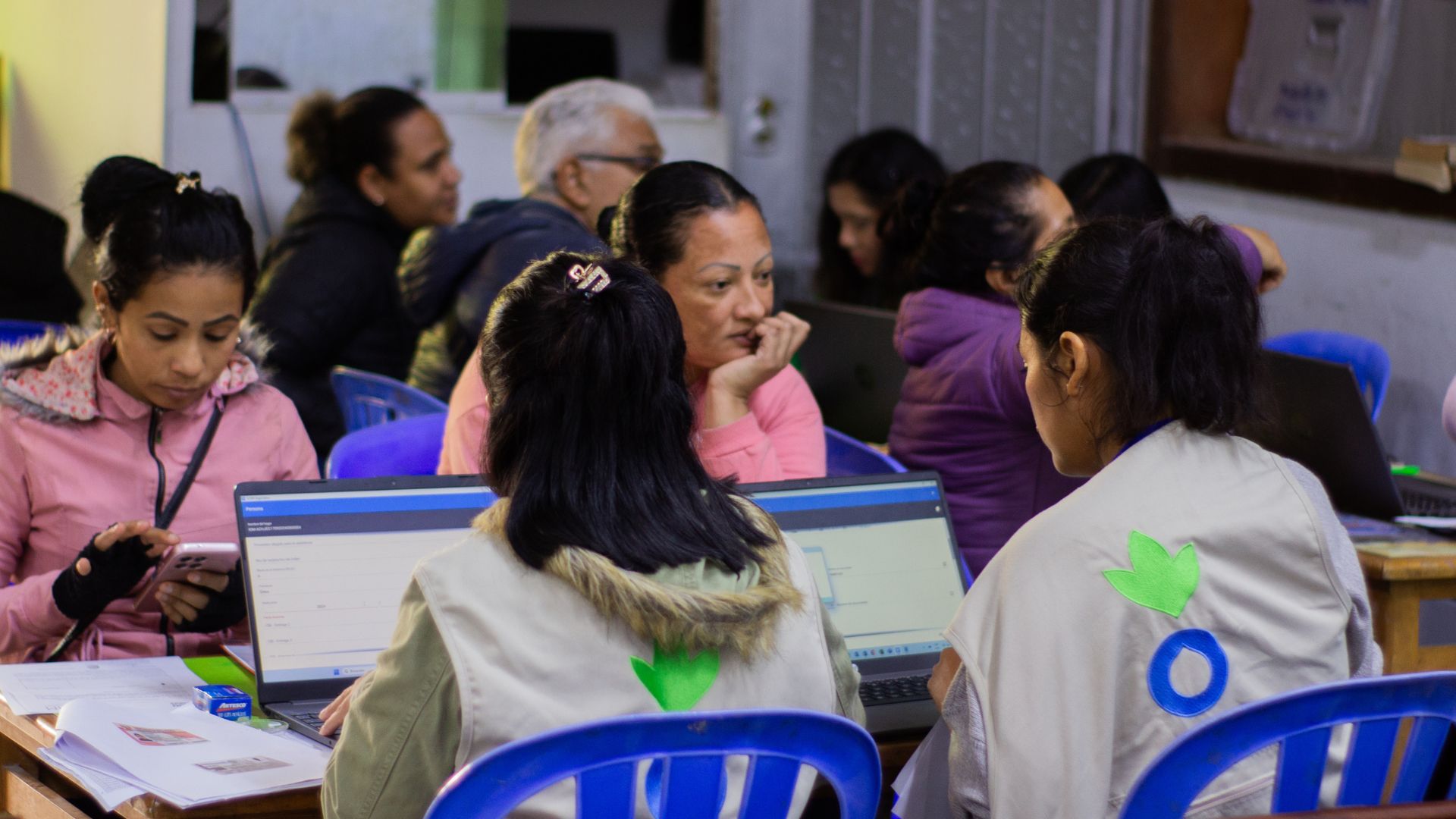
We champion research, innovation and learning. Our focus is on the prevention and treatment of undernutrition, and the effectiveness of humanitarian assistance and emergency response.
We ensure our projects have practical implications and enable us to deliver evidence-based interventions. While our research aims to enhance the effectiveness and efficiency of our own work, we are also collaborative in our approach, making sure to support the wider humanitarian effort.
Our research covers:
The majority of our research projects include a component related to nutrition; in 2024, this accounted for 65% of projects. We also examine health, mental health and psychosocial services, disaster risk reduction, and food security and livelihoods.
We provide an end-to-end support service using a range of methodologies.
This includes:
Examples include randomised controlled trials on dosage reduction in the treatment of severe acute malnutrition; combined protocols for the treatment of moderate and severe acute malnutrition, and comparison of nutrition treatment strategies with moderate acute malnutrition.
This includes scoping, narrative and systematic reviews. Examples include:
We regularly summarise and synthesise information from programme evaluations, coverage surveys, SMART surveys and Nutrition Causal Analyses. We have also conducted data pooling analyses to evaluate mortality risk in severely acutely malnourished children.
We conduct programme evaluations at mid-term, close-out and post-facto to capture learning and identify best practices.
We have significant experience in financial, grant and project management, collaboration and coordination with multiple partners and other stakeholders, and establishing and managing technical working groups and steering groups.
We also provide support with implementation and data collection, analysis and publication. This includes:
We can provide end-to-end support from knowledge capture through to publishing, curation and dissemination. This includes the creation of simple report and technical briefs, design and publishing, multi-language translation, curation and archiving, use of knowledge management platforms to share research findings and collaborate with peers, and the development and growth of communities of practice.
Our team routinely produces newsletters and manages communities of practice for information sharing.
We can also support or advise on local, national and international engagement for uptake of research findings into public health policies and systems.
Nutrition causal analyses, such as Link NCA and Rapid NDA, provide insight about the causes of malnutrition. Find out more about these methodologies and how they can be adapted for your context.
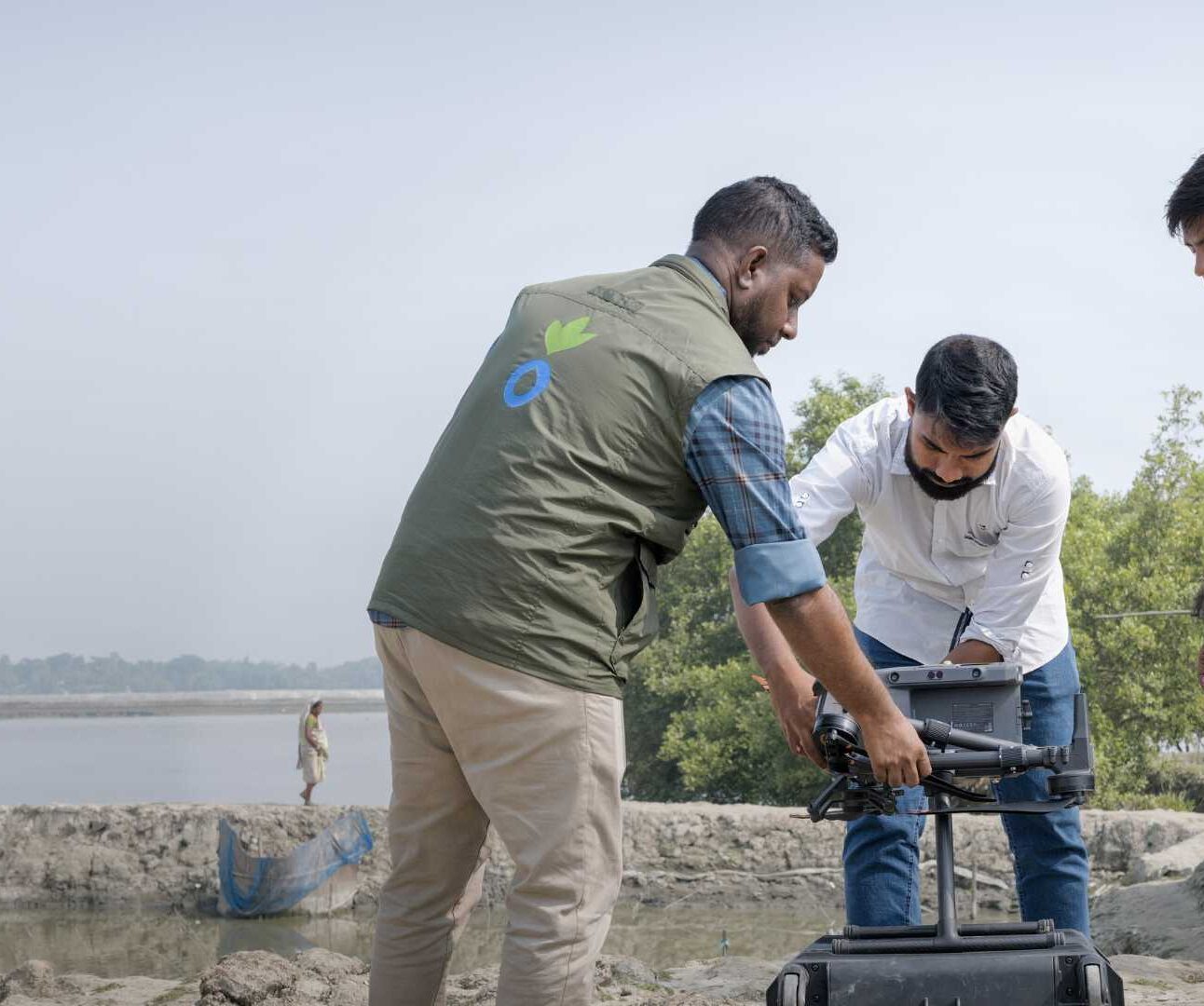
Find out how to strengthen accountability, improve transparency and enable better understanding of how resources are used to help achieve programme outcomes.
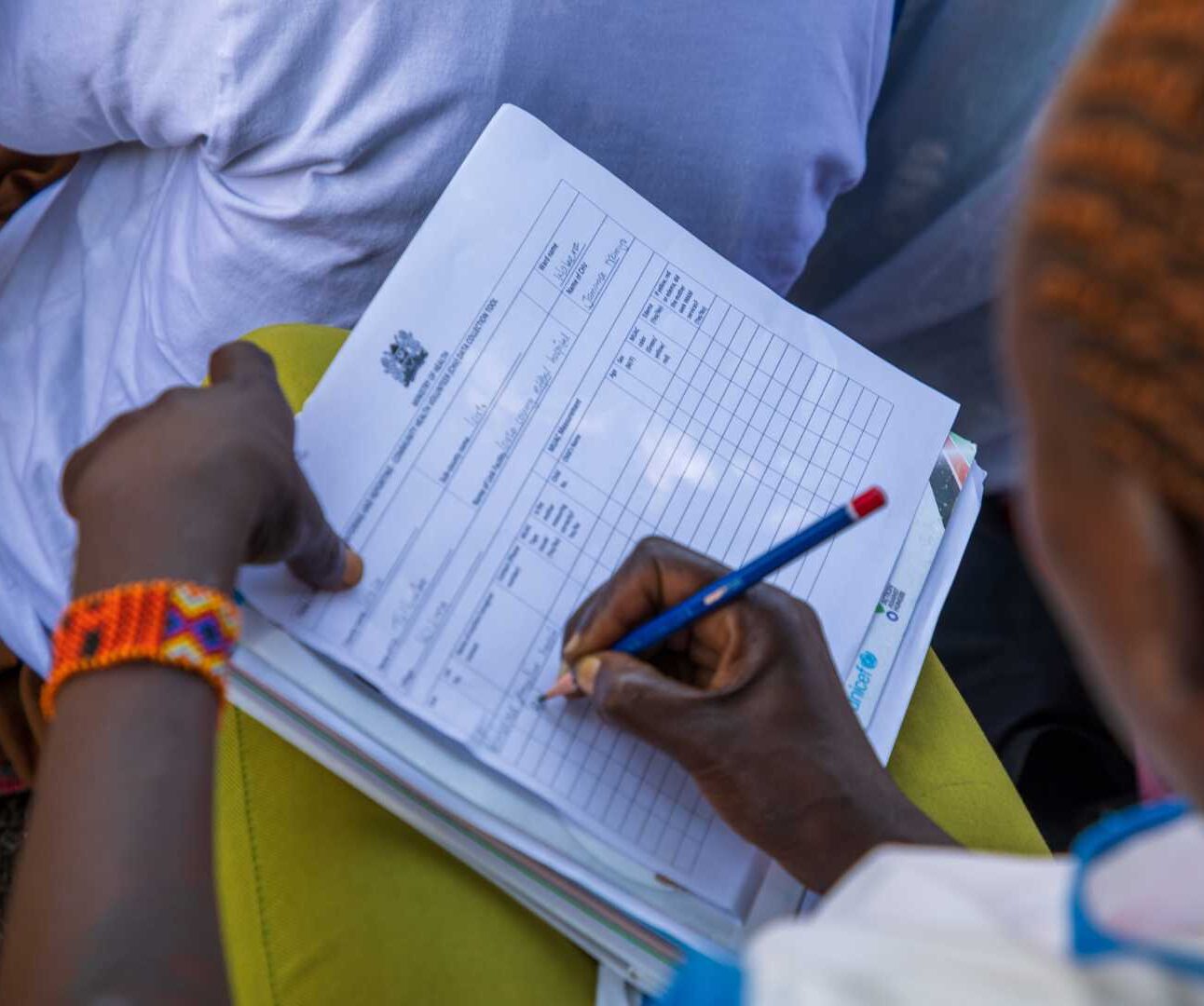
Learn more about our expertise and the impact we’ve made with nutrition assessments such as coverage assessments, Link NCA and Cost-Effectiveness Analysis.
Knowledge Against Hunger is the home of all our technical, research, learning and strategic documents. Take a look at our nutrition resources here.